
Mobile vs Desktop Online Gambling: A Technical and Strategic Comparison
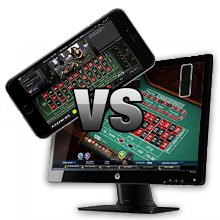
Online gambling has evolved from a desktop-centric activity into a multi-platform ecosystem where players expect seamless access across devices. For operators, affiliates, and technology providers, understanding the technical and behavioral differences between mobile and desktop gambling is no longer optional. It is a core requirement for user acquisition, retention, and regulatory compliance. This article examines the mobile versus desktop divide through a professional lens, covering performance, user experience, security, and strategic implications.
Platform Architecture and Performance
Desktop gambling platforms historically relied on browser-based technology such as HTML5, Adobe Flash (now deprecated), and downloadable clients. Modern desktop sites typically use responsive web design or dedicated progressive web applications. Mobile gambling, by contrast, splits into three delivery models:
- Native applications built for iOS and Android, offering direct hardware access and push notifications.
- Mobile web optimized for smaller viewports and touch input.
- Progressive web apps (PWAs) that combine web reach with app-like performance.
From a raw performance standpoint, native mobile apps often outperform desktop browsers in latency-sensitive tasks such as live dealer streaming and real-time betting. However, desktop hardware still delivers superior graphics rendering, multi-window workflows, and sustained processing power for complex odds calculations or multi-table poker play.
User Experience and Interface Design
Desktop Advantages
Desktop interfaces benefit from larger screens, precise cursor input, and keyboard shortcuts. This matters for activities requiring rapid navigation, such as sportsbook bet slip management, casino table games with multiple side bets, or poker rooms where players track several tables simultaneously. Information density is higher, and operators can display more promotions without overwhelming the user.
Mobile Advantages
Mobile interfaces prioritize simplicity, thumb-friendly controls, and vertical scrolling. Features such as biometric login, one-tap deposits, and location-based services are native to mobile. For casual players, the mobile experience reduces friction dramatically. A user can register, verify, and place a bet within minutes without leaving a couch or commute.
| Screen real estate | Limited | Extensive |
| Input method | Touch, voice | Mouse, keyboard |
| Typical session length | Short, frequent | Long, focused |
| Best for | Slots, live betting, casual play | Poker, complex sportsbooks |
Security and Regulatory Considerations
Security is a critical differentiator. Desktop browsers benefit from mature extension ecosystems, but they also expose users to phishing and malicious plugins. Mobile apps operate in sandboxed environments, which reduces certain attack vectors but introduces risks related to app store policies and device jailbreaking.
Regulators increasingly require geolocation verification. Mobile devices provide GPS, Wi-Fi triangulation, and cell tower data, making compliance more reliable. Desktop geolocation often depends on IP address and Wi-Fi databases, which can be less precise. Additionally, mobile operators must comply with Apple and Google in-app purchase rules, which vary by jurisdiction and can affect payment processing.
Monetization and Player Behavior
Player behavior differs sharply. Mobile users tend to place smaller, more frequent bets and engage with micro-betting markets. Desktop users often deposit larger amounts and participate in high-stakes tournaments. For operators, this means user acquisition costs, bonus structures, and loyalty programs must be segmented by device.
Conversion funnels also diverge. Mobile onboarding benefits from app store trust signals, while desktop onboarding benefits from larger forms and easier document upload for KYC. Cross-device identity management is essential to avoid duplicate accounts and to maintain a unified player profile.
Technical Trade-Offs for Developers
Building for both platforms requires careful architecture. A common approach is a shared backend with device-specific front ends. Key trade-offs include:
- Development cost: Native mobile apps are more expensive than responsive web.
- Update velocity: Web updates deploy instantly; app updates require store review.
- Feature parity: Some features, such as live dealer video, perform differently across devices.
- Analytics: Mobile attribution is more complex due to privacy restrictions like Apple’s App Tracking Transparency.
The Future: Convergence, Not Competition
The mobile versus desktop debate is increasingly obsolete. Players expect continuity. A user may browse odds on a phone during lunch, place a bet on a tablet at home, and join a poker tournament on a desktop in the evening. The winning strategy is not choosing one platform over the other but engineering a unified experience with consistent branding, shared wallets, and synchronized session state.
Technologies such as 5G, edge computing, and WebAssembly will further blur the lines. Mobile devices will handle more complex graphics, while desktop browsers will adopt app-like capabilities. For copywriters, marketers, and product teams in the tech niche, the message is clear: optimize for the player’s context, not the device label.
Conclusion
Mobile and desktop online gambling each offer distinct strengths. Mobile wins on accessibility, geolocation, and casual engagement. Desktop wins on information density, precision input, and high-stakes functionality. A professional, future-proof strategy treats both as complementary channels within a single player journey. Operators who invest in responsive infrastructure, cross-device analytics, and platform-specific security will capture the broadest audience and the highest lifetime value.