
Popular Features of Modern Online Casinos: A Technical Overview
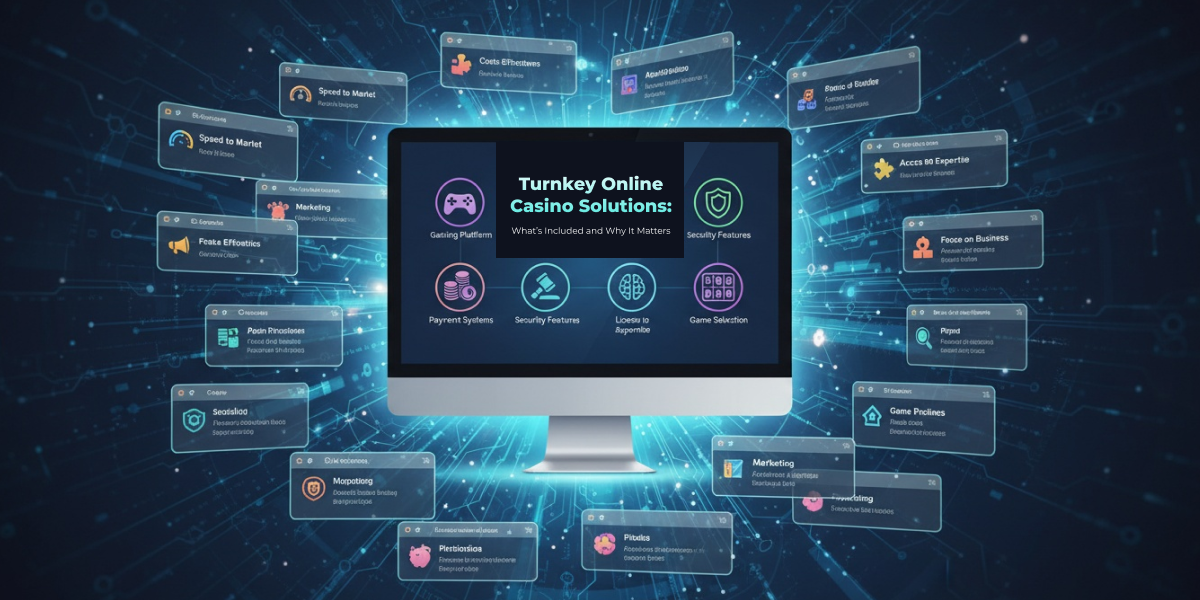
The online casino industry has undergone a profound digital transformation over the past decade. What was once a rudimentary collection of browser-based games has evolved into a sophisticated technological ecosystem, driven by advances in cloud computing, real-time data streaming, artificial intelligence, and mobile hardware. For operators, aggregators, and technology vendors, understanding the feature sets that define modern platforms is essential. This article examines the most popular features shaping today’s online casino landscape, with attention to the underlying technology and user-experience principles that make them effective.
The Shift Toward Platform-Centric Architecture
Modern online casinos are no longer monolithic applications. They are modular platforms built on microservices, APIs, and third-party integrations. This architectural shift enables operators to deploy new features rapidly, personalize content at scale, and maintain high availability across jurisdictions. The most visible result of this evolution is a feature-rich front end that responds to player behavior in real time.
Core Features Defining Modern Online Casinos
1. Instant Play and HTML5 Delivery
Downloadable clients have largely been relegated to legacy status. HTML5 has become the universal standard for game delivery, allowing titles to run seamlessly across desktop, tablet, and smartphone browsers. The advantages are substantial:
- Zero installation friction — players access games instantly via a URL.
- Cross-platform consistency — identical rendering across operating systems.
- Simplified updates — server-side deployment eliminates client patching.
- Reduced storage overhead — no local game files required.
For operators, HTML5 also simplifies compliance, as a single build can serve multiple regulated markets with localized content layers.
2. Live Dealer Integration
Live dealer gaming represents one of the most technically demanding features in the modern casino stack. It combines low-latency video streaming, real-time betting engines, and dealer-side hardware interfaces. Popular implementations use adaptive bitrate streaming to maintain video quality across variable network conditions, while synchronized game state servers ensure that bets, card draws, and payouts remain consistent for all participants.
Key technical considerations include:
3. Cryptocurrency and Multi-Currency Support
Digital asset integration has moved from niche experiment to mainstream expectation. Modern platforms increasingly support Bitcoin, Ethereum, and stablecoins alongside traditional fiat currencies. This feature demands robust wallet infrastructure, real-time exchange-rate handling, and compliance tooling for anti-money laundering (AML) and know-your-customer (KYC) requirements.
| Crypto deposits | Blockchain node integration | Faster settlement |
| Multi-currency wallets | Ledger abstraction layer | Simplified fund management |
| Instant withdrawals | Automated payout pipelines | Reduced waiting periods |
4. Gamification and Loyalty Engines
Gamification has become a core retention mechanism. Operators deploy configurable engines that award points, badges, missions, and tier-based rewards. These systems typically integrate with customer relationship management (CRM) platforms and player account management (PAM) systems to trigger events based on real-time behavior.
Common gamification components include:
- Daily missions and streak bonuses.
- Tournaments with leaderboard-driven prize pools.
- Loyalty tiers with escalating benefits.
- Personalized offers generated by machine learning models.
The effectiveness of these features depends heavily on data quality and event-streaming infrastructure, such as Kafka or similar message brokers.
5. AI-Driven Personalization
Artificial intelligence now underpins recommendation systems, fraud detection, and dynamic content delivery. Modern platforms analyze player sessions to surface relevant games, adjust promotional offers, and predict churn risk. From a technical standpoint, this requires:
- Feature stores for real-time model inference.
- A/B testing frameworks for continuous optimization.
- Explainability layers to satisfy regulatory scrutiny.
Personalization is no longer a differentiator; it is a baseline expectation for competitive platforms.
6. Mobile-First and Progressive Web Apps
Mobile traffic consistently accounts for the majority of online casino sessions. Progressive web apps (PWAs) bridge the gap between browser-based access and native app performance. They offer offline caching, push notifications, and home-screen installation without app store distribution. For operators, PWAs reduce friction in markets where native gambling apps face regulatory restrictions.
7. Responsible Gaming Tools
Regulatory pressure and ethical considerations have elevated responsible gaming from a compliance checkbox to a product feature. Modern platforms embed:
- Deposit and loss limits configurable by the player.
- Session timers and reality checks.
- Self-exclusion mechanisms integrated with national registries.
- Behavioral analytics to flag at-risk patterns.
These tools rely on accurate data pipelines and clear user interfaces to be effective.
Emerging Features to Watch
Several technologies are poised to reshape the next generation of online casinos:
| Virtual reality | Immersive live dealer environments |
| Blockchain smart contracts | Provably fair game logic |
| Voice interfaces | Hands-free navigation and betting |
| Edge computing | Ultra-low-latency streaming |
Each of these areas introduces new engineering challenges, particularly around latency, security, and regulatory alignment.
Conclusion
The modern online casino is a convergence of gaming content, financial technology, real-time streaming, and intelligent personalization. Features such as HTML5 delivery, live dealer integration, cryptocurrency support, gamification, AI-driven recommendations, and responsible gaming tools are no longer optional for serious operators. They represent the technical foundation upon which player trust, engagement, and long-term retention are built. As emerging technologies mature, the platforms that invest in scalable, compliant, and player-centric architecture will define the next era of digital gaming.