

Roulette Rules and Gameplay Explained
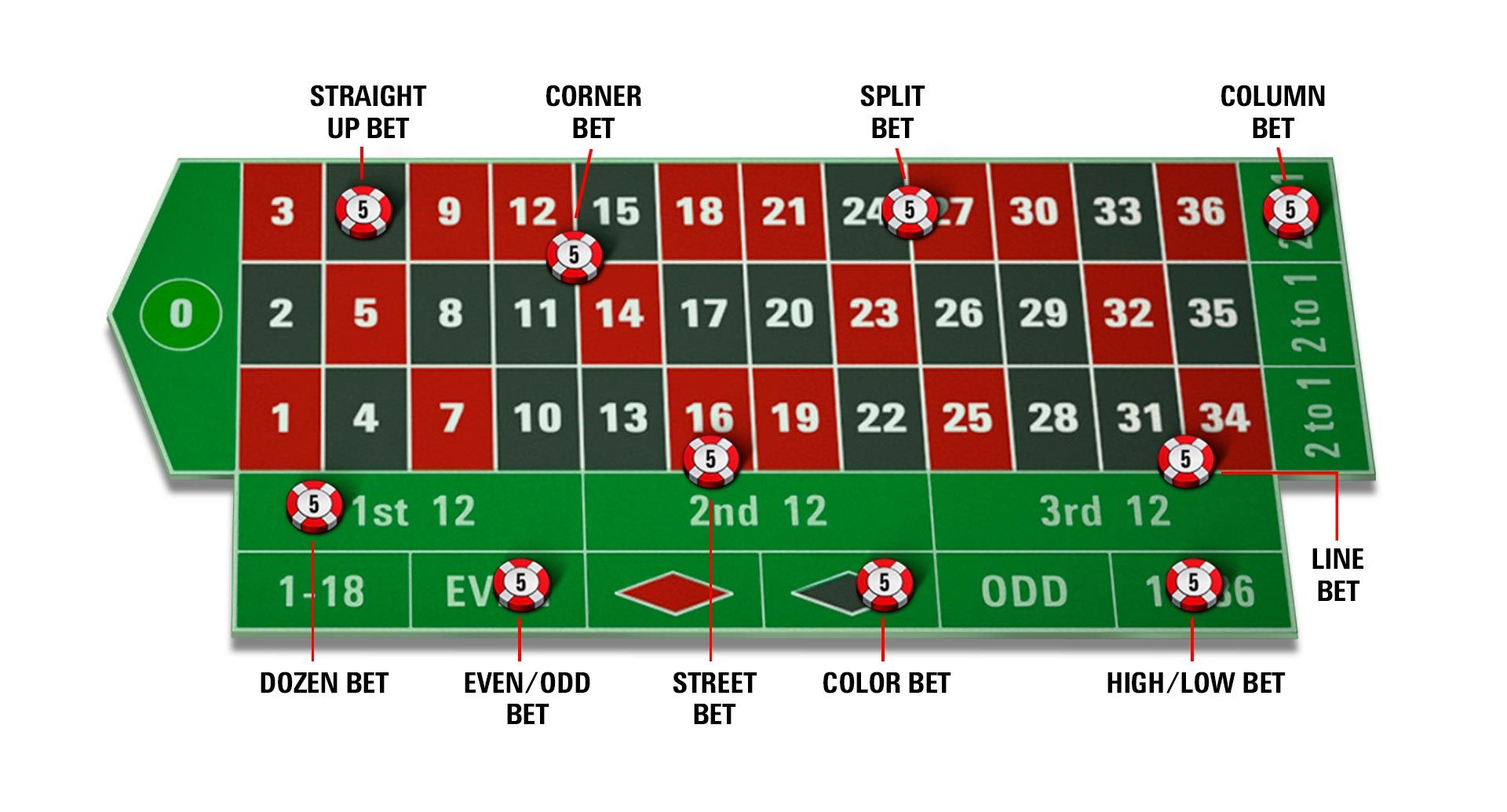
Roulette remains one of the most recognizable and enduring games in the casino world, and for good reason. Its appeal lies in a rare combination: simple rules, multiple betting options, and a genuine sense of suspense as the wheel slows. For players stepping into the game for the first time—or those refining their understanding—grasping the underlying mechanics is essential. This guide breaks down the rules, the layout, the bet types, and the gameplay flow so you can approach the table with confidence.
The Anatomy of the Roulette Wheel
At the center of the game is the wheel, a rotating device containing numbered pockets. Two main variants dominate casinos worldwide: American roulette and European roulette. The difference lies in the number of pockets.
- European wheel: 37 pockets numbered 0 through 36. The zero is green; the remaining numbers alternate red and black.
- American wheel: 38 pockets numbered 0 through 36, plus an additional double zero (00), also green.
The extra pocket on the American wheel increases the house edge, which is why many experienced players prefer the European version. A third variant, French roulette, uses the same 37-pocket wheel as the European game but adds specific rule variations that can further reduce the house advantage.
The Roulette Table Layout
The betting surface mirrors the numbers on the wheel. It is divided into two primary zones: the inside bets area, where numbers are laid out in a grid, and the outside bets area, which surrounds the grid and covers broader categories. Understanding this layout is the first practical step toward placing wagers correctly.
The Number Grid
Numbers run from 1 to 36 in three columns and twelve rows. Zero (and double zero, where applicable) sits at the top of the layout. Players place chips either directly on numbers or on the lines, corners, and intersections that define specific groupings.
Inside Bets Explained
Inside bets offer higher payouts but lower probability. They involve wagering on specific numbers or small clusters.
| Straight Up | Single number | 35 to 1 |
| Split | Two adjacent numbers | 17 to 1 |
| Street | Three numbers in a row | 11 to 1 |
| Corner | Four numbers in a square | 8 to 1 |
| Six Line | Two adjacent rows of three | 5 to 1 |
These bets appeal to players chasing larger returns, but the trade-off is a narrower margin for error. A single spin resolves all wagers on the table simultaneously.
Outside Bets Explained
Outside bets cover larger groups of numbers and pay even money or close to it. They are favored by players seeking steadier, lower-variance sessions.
| Red or Black | 18 numbers by color | 1 to 1 |
| Odd or Even | 18 numbers | 1 to 1 |
| Low or High | 1–18 or 19–36 | 1 to 1 |
| Dozen | 12 numbers | 2 to 1 |
| Column | 12 numbers | 2 to 1 |
While these bets feel safer, it is important to remember that the zero (and double zero) sits outside all outside-bet categories. When either appears, all outside wagers lose.
How a Round Unfolds
Gameplay follows a consistent sequence regardless of the variant:
The entire cycle typically takes under a minute, which contributes to the game’s brisk, engaging pace.
The House Edge and Probability
Roulette is a game of independent events. Each spin is statistically unrelated to the last, a concept often called the gambler’s fallacy when misunderstood. The house edge derives from the presence of the zero pockets.
- European roulette: House edge of approximately 2.7%.
- American roulette: House edge of approximately 5.26%.
French roulette, when the la partage or en prison rules apply, can lower the effective edge to roughly 1.35% on even-money bets, making it the most player-friendly variant.
Special Rules Worth Knowing
Beyond the standard bets, several rule variations influence outcomes and strategy:
- En Prison: On even-money bets that land on zero, the wager is held rather than lost, and the next spin decides its fate.
- La Partage: On even-money bets that land on zero, the player loses only half the wager.
- Surrender: An American roulette option that returns half of an even-money bet when zero or double zero appears.
These rules are not universal. Players should confirm which apply at a given table before wagering.
Etiquette and Table Limits
Every table posts minimum and maximum bets, and these limits can differ between inside and outside wagers. Chips have assigned values, and players should never touch them once placed. Verbal declarations are common in some establishments, but physical placement remains the standard. When in doubt, observing a few rounds before joining is a sound approach.
Final Thoughts
Roulette rewards preparation more than intuition. By understanding the wheel, the layout, the distinction between inside and outside bets, and the mathematics behind the house edge, players can engage with the game on their own terms. Whether drawn to the thrill of a straight-up wager or the steadier rhythm of even-money bets, mastery of the rules transforms roulette from a game of chance into a game of informed decisions.